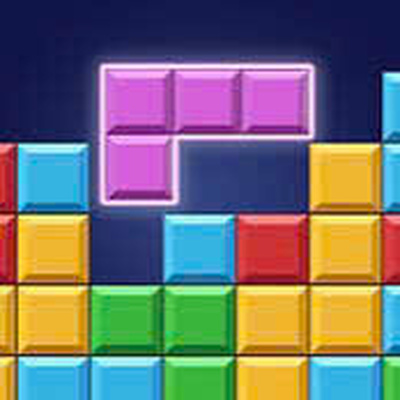
Some games don’t ask for lightning-fast reflexes or hours of memorizing systems-they just invite you to settle in and think. That’s why block-based puzzle games remain so easy to return to: they’re simple to learn, satisfying to play, and surprisingly good at pulling you into a calm “one more round” rhythm. If you’re looking for a clear example, Block Blast is a great place to start because it focuses on the essentials: smart placement, steady planning, and small decisions that add up.
At its core, the experience is about fitting shapes onto a grid. You’re given a small set of blocks and you place them one by one, trying to complete full lines (or other clearing conditions depending on the mode). When you clear lines, you free up space and keep the game going. When you can’t place the available pieces, the round ends.
The appeal comes from the balance between short-term moves and long-term survival. Some turns feel obvious-drop a piece to finish a line and take the clear. Others are trickier: you might choose a move that doesn’t score immediately but sets up space for awkward shapes later. Over time, you start to recognize patterns: which gaps are “safe,” which shapes are hard to accommodate, and how quickly a clean board can become messy if you get impatient.
Because each round develops differently, the game stays interesting even without complicated rules. You’re mostly managing space, avoiding clutter, and building little opportunities for clearing lines more often than not.
A good puzzle game doesn’t need to be loud or complicated-it just needs to create meaningful choices. Block-based games do that beautifully by turning empty space into a resource you manage move by move. If you approach the game with patience, a bit of planning, and a willingness to learn from messy boards, you’ll likely find that the real fun is the steady improvement-and the satisfying clarity of a well-timed clear.