There is something strangely captivating about turning off the lights, putting on a good pair of headphones, and letting a video game creep under your skin. While mainstream horror titles often rely on massive budgets, complex weapon systems, and endless jump-scares, indie horror games have mastered a far more subtle art: psychological tension. By grounding their stories in relatable environments and unsettling atmospheric design, indie developers create experiences that linger in your mind long after you turn off the screen.
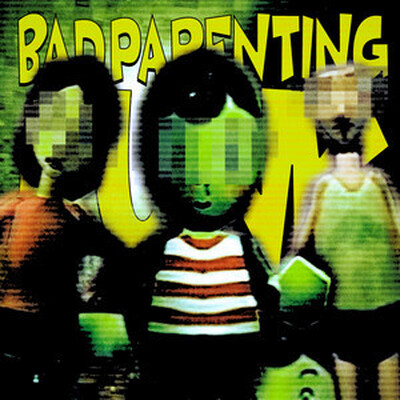
A standout example of this psychological approach is Bad parenting, an indie horror game that relies on atmospheric storytelling, retro-style visuals, and emotional suspense to deliver its chills. Instead of fighting off waves of monsters in futuristic military bases, you navigate domestic spaces where ordinary, everyday surroundings take on a sinister tone. Whether you are a curious newcomer to horror gaming or a veteran looking to get the most out of shorter indie titles, understanding how to approach psychological horror can turn a simple gaming session into an unforgettable narrative journey.
To truly appreciate psychological horror, it helps to look at how its mechanics differ from action-packed survival titles. Rather than giving you a heavy inventory of weapons or an elaborate HUD (Heads-Up Display), games styled after Bad parenting pull back on complex mechanics to focus on exploration, interaction, and narrative discovery.
The gameplay typically takes place in claustrophobic, familiar settings—such as small apartments, quiet hallways, or dimly lit rooms. You navigate these environments from a first-person perspective, interacting with everyday objects, solving contextual puzzles, and uncovering clues about the underlying narrative. The retro, low-poly graphic style acts as a deliberate design choice, leaving just enough to your imagination so that shadows and grainy textures feel naturally unsettling.
What drives the tension is not constant physical danger, but the constant anticipation of the unknown. As you progress, subtle environmental shifts—a light flickering unexpectedly, a door that was previously locked sitting slightly ajar, or strange ambient noises echoing from another room—build a steady sense of dread. You aren't managing health points or ammo counts; you are managing your own psychological comfort as the story slowly unfolds around you.
Indie horror games are short, narrative-driven experiences designed to be played in a single sitting. To get the maximum emotional impact without getting stuck or overwhelmed by anxiety, here are a few practical strategies to guide your playthrough.
Atmosphere is the single most important element in psychological horror. Playing in a sunlit room while taking phone calls completely breaks the tension that developers spent months crafting. Wait until evening, turn off your room lights, and use a reliable pair of over-ear headphones. Isolating your visual and audio fields immerses you directly into the game's oppressive world, making every quiet floorboard creak feel genuine.
Because indie horror games often feature minimal dialogue or UI elements, the story is told through the environment. Take your time to examine objects, read notes, and look closely at decor changes in rooms you have already visited. Noticing small details—a shifted picture frame, a missing household item, or a subtle change in wall textures—gives you valuable context that enriches the narrative payoff.
Rushing through rooms out of panic or a desire to "get it over with" means missing the carefully timed pacing. Walk at a measured pace and listen closely to the audio design. Subtle sound cues—like footsteps overhead, distant muffled voices, or sudden drops in background noise—frequently signal upcoming story beats or environmental changes long before you see them.
It can be easy to spend a playthrough over-analyzing mechanics or trying to guess exact trigger points for scary events. Instead, try to let go of hyper-analytical thinking and allow yourself to be immersed in the mood. Treat the game as an interactive ghost story where feeling uneasy is part of the intended art form.
Indie horror titles often touch on heavy, thought-provoking themes that aren't fully explained in a simple cutscene. Once the credits roll, take a few minutes to think through the story beats, symbolic elements, and character actions. Discussing the ending on community forums or personal blogs is often half the fun of playing niche horror titles.
At its core, playing a psychological horror game is about exploring complex themes and subtle suspense in a safe, controlled setting. Games like Bad parenting remind us that real terror doesn't always come from giant creatures or flashy effects—it often lives in quiet rooms, heavy silence, and the stories we uncover along the way.
The next time you are looking for an immersive way to spend an evening, step into the dark, put on your headphones, and dive in. Embrace the silence, trust your instincts, and enjoy every gripping second of the story!