The internet has changed more than the way people share information. It has also changed how they express emotions, reactions, opinions, and everyday experiences. New words and shortened phrases appear regularly across social media, messaging apps, gaming communities, and online forums. This constant change happens because internet users want communication to feel fast, personal, and connected to current culture.
Traditional language usually changes slowly, but online communication can spread an expression to thousands of people within hours. A funny phrase in a video can become a popular caption, while an abbreviation from one community can quickly appear elsewhere.
People also enjoy language that feels new. Using a fresh expression can make a message sound current and can help users feel connected to a particular online trend. When enough people understand a phrase, it becomes easier to use and may eventually become part of everyday digital vocabulary.
One important reason new forms of expression develop is the need for quick communication. People often send messages while doing other things, so they prefer wording that can communicate an idea without taking much time to type.
Abbreviations, initials, and shortened phrases are useful for this purpose. They allow users to express reactions with fewer characters while keeping conversations moving. Once a shortcut becomes familiar, people can understand it instantly.
Internet users are not only trying to communicate information. They also want to show excitement, frustration, surprise, humor, agreement, and disbelief. Because text does not include facial expressions or voice tone, users often create expressions that help communicate these feelings.
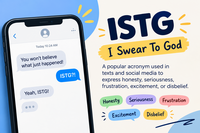
A phrase can become popular because it captures an emotion particularly well. Looking at the istg meaning in everyday online conversations is one example of how a short expression can communicate strong feelings. Depending on the situation, it can emphasize honesty, frustration, surprise, or strong emotion.
Social media has made language trends much easier to spread. Platforms connect people from different cities, countries, and communities. A phrase that starts with a small group can reach a larger audience through posts, comments, videos, and shared content.
Influencers and online creators can also contribute to this process. When large audiences repeatedly see a particular phrase, they may begin using it themselves. This creates a cycle in which popular expressions become even more visible.
Different internet communities often develop their own language. Gamers, sports fans, hobby groups, students, and social media communities may use terms that make sense to members but seem unfamiliar to outsiders.
Shared vocabulary can create a feeling of belonging. When people understand the same expressions, they recognize that they are part of the same digital space. This can make conversations feel more comfortable and informal.
Many internet expressions become popular because they are funny. Memes, jokes, and playful combinations of words encourage people to experiment with language. A humorous phrase can spread because users enjoy repeating it or adapting it to new situations.
This creativity keeps online communication lively. Even familiar expressions may receive new meanings when people use them in unexpected ways.
The internet produces new language constantly, but not every expression survives. Some phrases remain popular because they are useful, easy to understand, or widely adopted. Others disappear when the trend connected to them becomes less relevant.
This natural process shows that digital language is flexible. Users keep what works and gradually stop using expressions that no longer fit their conversations.
New forms of online expression will continue to appear as technology and digital culture develop. New platforms will create different communication habits, while changing trends will introduce vocabulary.
The important point is that internet language reflects how people adapt communication to their environment. Users want to save time, express emotion, show personality, and connect with communities. These needs encourage constant experimentation with words.
As long as people continue communicating online, language will continue changing with them. New expressions may seem unusual at first, but many eventually become familiar parts of everyday conversation.